
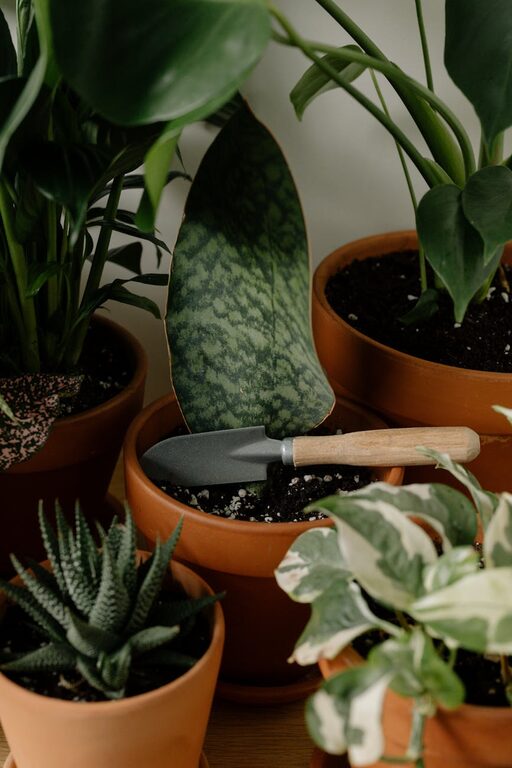
Bringing houseplants into your home not only adds beauty but also promotes a sense of calm and improves indoor air quality. However, keeping your leafy friends healthy can sometimes feel challenging. With the right care and attention, your houseplants will thrive and become a lasting part of your living space. This guide covers essential tips to help your houseplants stay lush and vibrant year-round.
Understanding Your Houseplant’s Needs
Each plant species has unique requirements, but there are common factors that influence their health.
Light Requirements
Light is crucial for photosynthesis, the process that keeps plants growing. Understanding your plant’s light needs is the first step:
– Bright indirect light: Many popular houseplants like pothos, fiddle leaf fig, and peace lilies prefer bright but filtered light.
– Low light: Some plants, such as snake plants and ZZ plants, tolerate low light conditions.
– Direct sunlight: Cacti and succulents generally thrive in direct sunlight but may get sunburned if it’s too intense.
Placement matters. Observe how sunlight moves through your space and adjust the location to match your plant’s preferred light level.
Watering Wisely
Overwatering is a common mistake that can lead to root rot and other problems.
– Check the soil: Before watering, stick your finger about an inch into the soil. If it feels dry, it’s time to water.
– Use the right amount: Water thoroughly until you see it drain from the bottom, but never leave plants sitting in standing water.
– Adjust for seasons: Plants usually need less water during cooler months and more during their active growing periods.
Humidity and Temperature
Most houseplants originate from tropical or temperate environments that require specific humidity and temperature levels.
– Humidity: Many indoor plants prefer higher humidity. You can increase humidity by grouping plants together, using a humidifier, or placing a water tray nearby.
– Temperature: Avoid placing plants near drafts, radiators, or air conditioners. Most houseplants do well in temperatures ranging from 60°F to 75°F (15°C to 24°C).
Tips for Soil and Fertilizing
Choose the Right Soil
Proper soil ensures good drainage and aeration, supporting root health.
– Use a commercial potting mix designed for indoor plants.
– For succulents and cacti, opt for a soil blend with sand or perlite to improve drainage.
Feeding Your Plants
Houseplants need nutrients to grow but don’t require heavy feeding.
– Fertilize plants monthly during their growing season (spring and summer) with a balanced, water-soluble fertilizer.
– Reduce or stop fertilizing during fall and winter when growth slows.
Potting and Repotting
Picking the Right Pot
Choose pots with drainage holes to prevent water buildup, which can cause root rot.
– Materials like terracotta allow moisture to evaporate, which is helpful for plants needing drier conditions.
– Plastic pots retain moisture longer, ideal for moisture-loving plants.
When to Repot
Repot plants every 1-2 years or when roots outgrow the current container.
Signs it’s time to repot:
– Roots are visible through drainage holes.
– Growth has slowed despite good care.
– Soil dries out unusually fast after watering.
Common Problems and How to Solve Them
Pests
Indoor plants can attract pests such as spider mites, aphids, and mealybugs.
– Inspect plants regularly, especially the undersides of leaves.
– Remove pests with insecticidal soap, neem oil, or by wiping them off gently.
Yellowing Leaves
Yellow leaves may indicate overwatering, poor drainage, or nutrient deficiency.
– Adjust watering habits.
– Ensure the pot drains well.
– Consider fertilizing appropriately.
Browning Leaf Tips
Browning tips can result from low humidity, underwatering, or salt buildup.
– Increase humidity.
– Check if the plant is consistently watered.
– Flush the soil occasionally to remove salts from fertilizers.
Additional Care Tips
– Clean your leaves: Dust on leaves blocks light and slows photosynthesis. Wipe leaves with a damp cloth regularly.
– Rotate plants: Turn your plants every week or two so all sides receive light evenly.
– Monitor growth: Deadhead spent flowers and remove dead or yellowing leaves promptly to keep your plant healthy.
Conclusion
Keeping houseplants healthy requires a balance of light, water, soil, and attention. By understanding their specific needs and following these practical care tips, you can create a thriving indoor garden that adds life and color to your home. Remember, patience and observation go a long way in successful houseplant care!
Happy planting!