
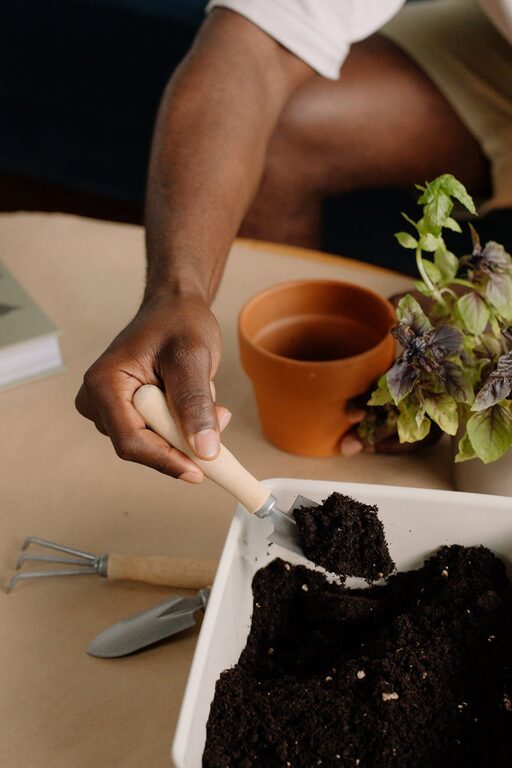
Starting an indoor herb garden is a rewarding way to bring fresh flavors into your kitchen, improve your home’s air quality, and add a touch of greenery to your living space. Whether you’re short on outdoor space or simply want the convenience of fresh herbs at your fingertips, growing herbs indoors is easier than you might think.
In this guide, we’ll walk you through everything you need to know to start a small herb garden indoors, from choosing the right herbs to caring for your plants. Let’s get growing!
Why Grow Herbs Indoors?
Indoor herb gardens offer several benefits:
– Freshness: Pick your herbs right before cooking for the best flavor and aroma.
– Convenience: No need to run to the store; your herbs are always within reach.
– Year-round Growth: Enjoy herbs regardless of the season or weather outside.
– Decor & Well-being: Herbs add greenery and can boost your mood and air quality.
Choosing the Right Herbs for Indoor Growth
Not all herbs thrive equally indoors, so it’s best to select varieties that adapt well to indoor conditions. Some great options include:
– Basil: Requires good light and warmth; perfect for Italian dishes.
– Mint: Grows quickly and spreads easily; great for teas and cocktails.
– Parsley: A hardy herb that adds freshness to many recipes.
– Chives: Easy to grow and maintain with gentle onion flavor.
– Thyme: Tolerant of lower light; adds great flavor to meats and stews.
– Cilantro: Prefers cooler temperatures and moderate light.
– Oregano: Needs bright light and moderate watering.
Start with two or three herbs you use often and enjoy their aromas while you familiarize yourself with their care.
Materials You’ll Need
Before planting, gather the following:
– Containers: Small pots with drainage holes or an indoor herb garden kit.
– Potting Mix: A light, well-draining potting soil specifically designed for herbs or indoor plants.
– Seeds or Starter Plants: Choose between starting from seed or buying young plants.
– A Tray or Saucer: To catch excess water.
– Labels: To keep track of herb varieties.
– Fertilizer: A balanced, water-soluble fertilizer for indoor plants.
Step-by-Step Guide to Starting Your Indoor Herb Garden
1. Choose the Right Spot
Most herbs need 6-8 hours of bright, indirect sunlight daily. A south-facing windowsill is ideal. If natural light is limited, consider using a grow light to supplement lighting.
2. Prepare the Containers
Select pots that have drainage holes to prevent water from pooling at the bottom, which can lead to root rot. Fill the pots with potting mix, leaving about half an inch from the top.
3. Plant Your Herbs
– From seed: Follow the seed packet instructions for depth and spacing. Lightly cover seeds and gently water.
– From starter plants: Loosen roots before planting and place the plant in the soil at the same level it grew in its original container.
4. Watering Basics
Water your herbs when the top inch of soil feels dry. Overwatering is one of the most common mistakes – herbs do not like soggy soil. Use your finger to test soil moisture regularly.
5. Maintain Proper Humidity and Temperature
Herbs prefer moderate humidity and temperatures between 65°F and 75°F (18°C to 24°C). Avoid placing plants near drafts, radiators, or air conditioning units.
6. Fertilizing
Feed your indoor herb garden every 4-6 weeks with a diluted, balanced fertilizer to provide necessary nutrients. Follow the product instructions carefully.
7. Pruning and Harvesting
Regular harvesting encourages lush growth. Snip leaves and stems as needed, but avoid removing more than one-third of the plant at a time to keep it healthy.
Troubleshooting Common Problems
– Yellow Leaves: Might indicate overwatering or lack of light.
– Leggy Growth: Usually caused by insufficient light; move your plants to a sunnier spot.
– Pests: Watch out for aphids or spider mites. Wipe leaves with a damp cloth or use mild insecticidal soap if needed.
Tips for Success
– Rotate pots regularly to ensure even sunlight exposure.
– Use clean pots and fresh soil to prevent disease.
– Label your herbs to avoid confusion.
– Experiment with different herb varieties over time to find what grows best in your space.
Conclusion
Growing herbs indoors can be a delightful and practical hobby, providing fresh ingredients and a touch of nature inside your home. With the right setup and care, even beginners can enjoy a thriving indoor herb garden.
Start small, be patient, and enjoy the satisfaction of nurturing your own living kitchen pantry!
—
Happy gardening!