
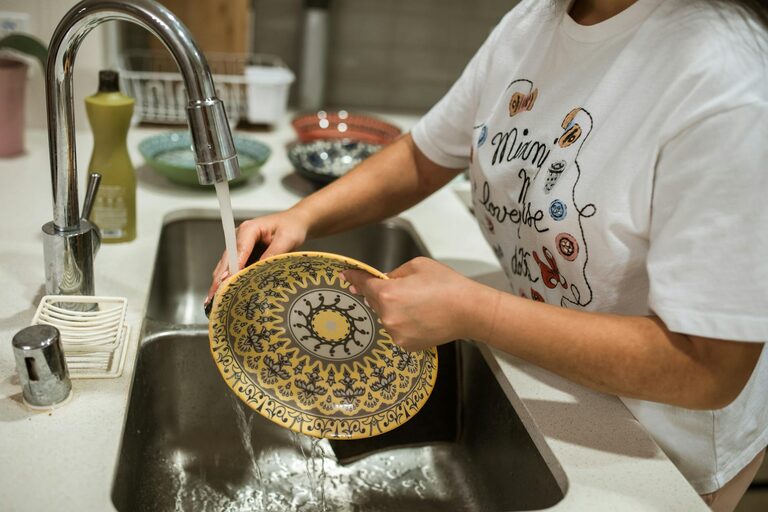
Cleaning up after dinner can often feel like a chore that drags out the joy of a good meal. Fortunately, with some simple strategies and adjustments to your routine, you can make dinner cleanup easier, quicker, and even stress-free. Below are several practical ideas to help you enjoy your meals without dreading the cleanup that follows.
Plan Ahead to Reduce Mess
One of the best ways to make cleanup easier is to minimize mess from the start. Planning ahead can save you a lot of time washing dishes later.
Use Fewer Dishes
Try cooking meals that require fewer pots, pans, and utensils. For example, sheet pan dinners or one-pot recipes significantly cut down on the number of dishes you’ll use. When fewer items are dirty, cleaning up becomes much quicker.
Prep with Cleanup in Mind
When chopping veggies or preparing ingredients, use a large bowl or cutting board that can be quickly rinsed or placed in the dishwasher. Line your countertops and cutting board with parchment paper or silicone mats to help contain spills and make cleanup faster.
Make Use of Kitchen Tools and Equipment
Certain kitchen tools are designed to help reduce mess and simplify the cleanup process.
Nonstick Cookware
Using nonstick pans helps prevent food from sticking, which reduces scrubbing later. Just be sure to use gentle utensils to preserve the coating.
Dishwasher-Safe Items
Opt for cookware, bakeware, and utensils that are dishwasher safe whenever possible. Loading the dishwasher right away saves time and effort compared to hand washing everything.
Slow Cooker or Instant Pot
Using appliances like a slow cooker or Instant Pot allows you to prepare meals in a single container. These appliances often have removable inserts or liners that are easy to clean or can be replaced with disposable liners.
Clean As You Go
Adopting a “clean as you go” mindset makes a big difference in managing cleanup after dinner.
Tidy While Cooking
Washing cutting boards, knives, or bowls as soon as you finish using them prevents a pile-up of dirty items at the end of the meal. It also frees up space so you can cook comfortably.
Wipe Counters Frequently
Keep a damp cloth nearby and wipe spills and splatters as they happen. This prevents stubborn stains and makes final cleanup easier.
Organize and Streamline Cleanup
A well-organized kitchen can make cleanup more efficient and less overwhelming.
Designate a Cleanup Station
Set up an area by the sink with dish soap, scrubbers, and drying racks easily accessible. Having everything you need in one spot saves time.
Use Soaking Technique
Fill pots and pans with warm soapy water immediately after use and let them soak. This helps loosen food residue, making washing simpler.
Set Timers or Make it a Game
If you tend to procrastinate on cleanup, set a timer for 10–15 minutes to tackle dishes right after dinner. Alternatively, make it a family game to see who can clean up the fastest.
Use Disposable or Reusable Liners and Covers
Reducing the amount of surface mess can make cleanup easier.
Silicone Baking Mats or Parchment Paper
Line baking sheets with silicone mats or parchment paper to prevent sticky or burnt-on residue.
Reusable Food Covers
Cover bowls or leftovers with reusable silicone lids instead of plastic wrap to reduce waste and simplify disposal.
Involve the Whole Household
Sharing cleanup duties can reduce the burden on any one person.
Assign Tasks
Divide cleanup tasks—someone clears the table, another rinses dishes, and someone else loads the dishwasher.
Rotate Responsibilities
Rotating cleanup responsibilities weekly ensures everyone contributes and no one feels stuck with the chores.
Final Thoughts
Dinner cleanup doesn’t have to be a tiring end to an enjoyable meal. By planning ahead, using smart kitchen tools, cleaning as you cook, and involving others, you can make the process quicker and less stressful. Try incorporating a few of these ideas into your routine and see how much easier cleanup becomes.
Enjoy your next meal and the time saved afterward!